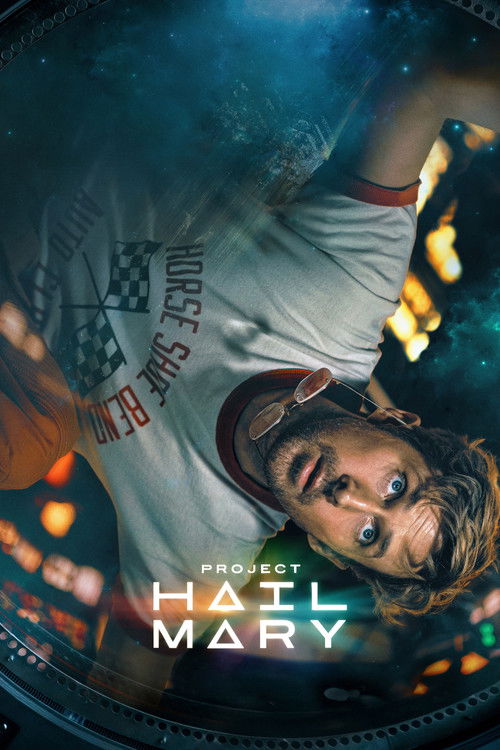
Project Hail Mary (2026) is a Rigorous and Heartfelt Sci-Fi Adventure
Project Hail Mary is a rewarding experience for viewers who appreciate hard science fiction balanced by a genuine, emotional core. It succeeds as a high-stakes adventure because it prioritizes the intellectual problem-solving of its protagonist over standard space-action tropes.
The Mechanics of Isolation and Discovery
The film excels in depicting the claustrophobia of deep space through Greig Fraser’s precise cinematography, which makes the spaceship feel like a character in its own right. Ryan Gosling portrays Ryland Grace with a frantic, relatable curiosity that grounds the complex scientific hurdles he faces, making the process of saving the sun feel tactile rather than purely theoretical.
Where the film occasionally falters is in its pacing during the middle act, as the constant stream of technical jargon can feel repetitive for those less invested in the physics of solar extinction. While many critics might praise the film for its relentless scientific accuracy, I found the most successful moments were actually the quiet, character-driven scenes that explore the vulnerability of a man tasked with saving a planet he barely remembers.
A Friendship Across the Stars
The most surprising aspect of this adventure is the dynamic between Grace and Rocky, voiced by James Ortiz. The way the narrative handles the language barrier between a human and an alien is handled with remarkable patience, turning what could have been a gimmick into the emotional anchor of the entire mission.
Viewers who enjoy character-focused science fiction that emphasizes cooperation over conflict will find this deeply satisfying. Conversely, those looking for a fast-paced, explosive space thriller might find the film’s 157-minute runtime and heavy focus on linguistic puzzles and scientific methodology to be an exercise in patience.
The Weight of Global Responsibility
Sandra Hüller brings a necessary, cold pragmatism to her role as Eva Stratt, serving as a perfect foil to Grace’s more optimistic, educator-minded approach to disaster. Her presence highlights the moral ambiguity of the mission, forcing the audience to consider the sacrifices required when the sun itself begins to fail.
Daniel Pemberton’s score provides a rhythmic, pulsing backdrop that keeps the momentum alive even when the characters are trapped in the drudgery of data collection. It is a rare film that manages to make the act of learning and experimentation feel just as tense as a life-or-death confrontation in the vacuum of space.
Project Hail Mary: Ending Explained
(Spoilers ahead) The conclusion of the mission serves as a profound meditation on the nature of bravery and the definition of home. By choosing to stay with Rocky rather than returning to a safe, familiar Earth, Grace ultimately rejects the singular, selfish drive for survival in favor of a newfound, cross-species friendship.
This resolution suggests that the true solution to the extinction threat was never just the scientific breakthrough, but the bridge built between two different civilizations. Grace’s decision to commit to this bond signifies that in the face of cosmic indifference, connection is the only logical response to the void.