The Fantastic 4: First Steps Is a Stylized but Uneven Retro Adventure
The Fantastic 4: First Steps succeeds as a visual experiment in 1960s-inspired science fiction, even though its commitment to aesthetic flair occasionally sidelines the emotional stakes of its central family. It is a worthwhile watch for those who prefer high-concept world-building over standard superhero beats, provided they can tolerate a narrative that feels somewhat detached from its own high-stakes premise.
A Retro-Futuristic Visual Language
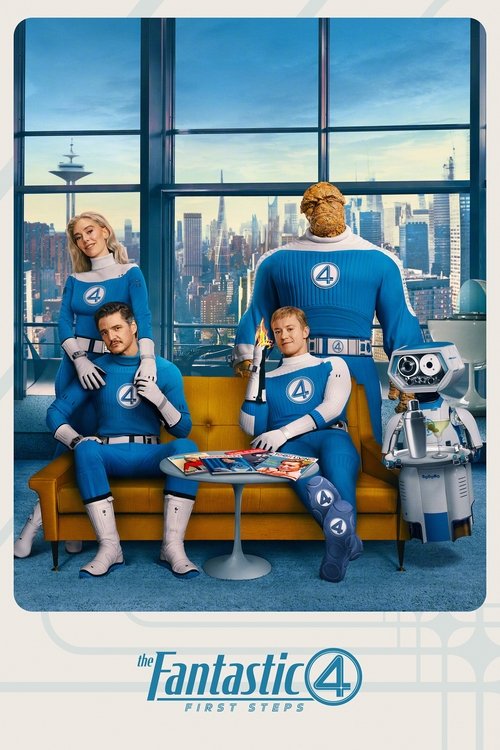
Cinematographer Jess Hall achieves a distinct look here, grounding the action in a vibrant, tactile version of the 1960s that feels more like a lived-in alternative reality than a period piece. The color palette and production design breathe life into the science fiction elements, making the transition from domestic family life to cosmic threats feel like a deliberate shift in scale and visual tone.
Where the film stumbles is in the integration of this aesthetic with the action sequences. While the retro-futuristic gadgets and environments are inventive, the pacing often slows to a crawl to admire the set design, creating a disconnect between the urgency of a world-ending threat and the deliberate, almost languid pace of the storytelling.
Family Dynamics Versus Cosmic Threats
The core of the film rests on the chemistry between Pedro Pascal, Vanessa Kirby, Ebon Moss-Bachrach, and Joseph Quinn, who manage to convey the tension of a family unit under immense pressure. Kirby, in particular, anchors the group with a portrayal of the Invisible Woman that prioritizes her tactical intelligence, effectively balancing the “strong woman” archetype with the vulnerability required for a family-centric drama.
However, the inclusion of Galactus as the primary antagonist feels like a missed opportunity to deepen the character study. By focusing so heavily on the spectacle of a ravenous space god, the script forces the family into reactive positions rather than allowing their unique powers to drive the resolution of the conflict. Those who enjoy character-driven explorations of the superhero genre will find the family banter rewarding, but viewers seeking a high-octane battle of wits against a cosmic entity may find the outcome predictable.
The Score and Pacing
Michael Giacchino’s score is the glue holding these disparate elements together, utilizing a brass-heavy, jaunty sound that reinforces the 1960s adventure tone. It elevates the film’s lighter moments, proving that the music department understood the assignment better than the writers, who sometimes struggle to keep the plot moving during the film’s 115-minute runtime.
If you appreciate a film that prioritizes world-building and a specific, cohesive visual identity, you should definitely watch this. Conversely, skip it if you are looking for a gritty, grounded take on the superhero genre, as the film’s commitment to its stylized, retro-futuristic bubble intentionally keeps the emotional weight at a distance.
The Fantastic 4: First Steps: Ending Explained
(Spoilers ahead) The conclusion hinges on the realization that the family’s greatest strength is not their individual super powers, but the alternative reality they have cultivated to protect their bond. By choosing to prioritize their connection over the immediate destruction of Galactus, they effectively rewrite the rules of their universe, showing that the “First Steps” mentioned in the title are actually the first steps toward a new, more resilient definition of what it means to be a hero. It is a thematic choice that favors internal growth over external victory, ultimately arguing that saving the world is secondary to preserving the family that makes it worth saving.