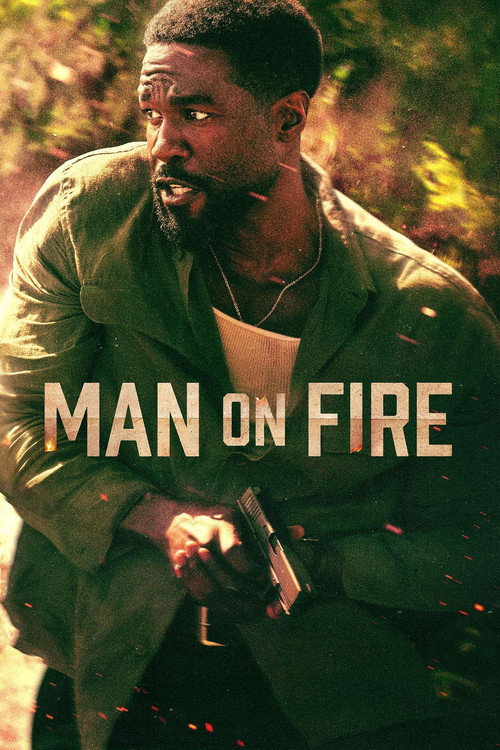
Man on Fire (2026) is a gritty, high-stakes watch for fans of focused character-driven action
Man on Fire (2026) is a grounded, intense exploration of trauma that succeeds by prioritizing the volatile bond between its leads over mere spectacle. It is a worthwhile watch for those who prefer their action balanced with a heavy, persistent sense of dread.
A visceral look at fractured redemption
The series excels at capturing the claustrophobic nature of John Creasy’s PTSD, using the sweltering, dense environment of Rio de Janeiro as an extension of his internal psychological state. Rather than relying on stylized violence, the action sequences feel desperate and messy, emphasizing that Creasy is a man pushed to his limits rather than an invincible soldier.
While the crime elements are standard for the genre, the show differentiates itself by refusing to romanticize the violence. Yahya Abdul-Mateen II brings a weary, heavy presence to the role that grounds the narrative, making his protective mission feel like a genuine, painful attempt to save himself as much as he is saving Poe Rayburn.
The weight of the central performances
The dynamic between Yahya Abdul-Mateen II and Billie Boullet provides the series with its necessary emotional anchor. Their evolving trust is earned slowly, which makes the moments of high-stakes danger feel more consequential than they would in a faster-paced, less patient production.
Conversely, the antagonists, including Scoot McNairy’s Henry Tappan, sometimes feel like archetypes rather than fully realized threats. While their presence drives the plot, they lack the narrative depth afforded to the protagonists, occasionally making the crime-driven obstacles feel like mere placeholders in an otherwise character-focused story.
Navigating the streets of Rio
The decision to set this adaptation in Rio de Janeiro adds a layer of texture that elevates the standard “veteran protecting a ward” premise. The city is portrayed not just as a backdrop, but as an active participant in the story, full of narrow alleys and hidden dangers that force the characters into constant, tactical movement.
Some viewers might find the pacing uneven, particularly in the middle episodes where the focus shifts heavily toward the internal malaise of the characters. However, this slower approach is exactly what allows the audience to understand why Creasy is so willing to sacrifice everything for Poe, turning a standard rescue mission into a meaningful study of human connection.
Who should commit to this mission
This series is a strong choice for viewers who enjoys crime dramas that value atmosphere and character development over rapid-fire plot twists. If you are looking for a show that treats its central themes of PTSD and redemption with a somber, serious tone, you will find plenty to engage with here.
Those seeking a high-octane, fast-paced action series might find the deliberate, brooding nature of the storytelling frustratingly slow. If you prefer your action heroes to be quick-witted and invincible rather than haunted and vulnerable, this specific take on the material may not align with your expectations.