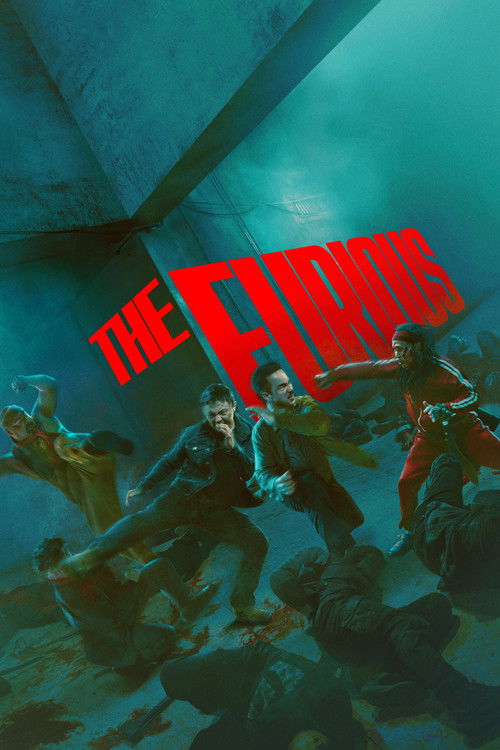
The Furious (2026) is a brutal, high-stakes action exercise for genre enthusiasts
The Furious is a visceral, no-nonsense martial arts film that succeeds primarily as a showcase for its physical choreography, though it remains tethered to a thin narrative framework. It is a worthwhile watch for those who prioritize kinetic combat over intricate plotting, provided they can overlook the repetitive nature of its rescue-mission tropes.
A relentless focus on physical attrition
The strength of this film lies entirely in its commitment to grounded, high-impact combat. By utilizing the specific skill sets of Xie Miao, Joe Taslim, Yayan Ruhian, and JeeJa Yanin, the action sequences transcend standard choreography to feel like genuine tests of endurance. Meteor Cheung’s cinematography keeps the camera close to the action, capturing the sweat and impact of every strike without resorting to the disorienting quick-cuts that often plague modern crime cinema.
Where the film falters is in its attempt to balance this intensity with a heavy-handed subplot regarding systemic police corruption. While the premise of Wang Wei and Navin taking on a criminal network is compelling, the script often pauses the momentum to reiterate the moral rot of the city. These moments feel like filler, preventing the audience from fully immersing themselves in the primary goal of the rescue mission.
Choreography over character development
Many viewers will likely praise the emotional stakes of the child-trafficking narrative, but I found the film actually works best when it stops trying to justify the violence through sentimentality. The chemistry between Xie Miao and Joe Taslim is functional, yet their motivations are largely secondary to the sheer spectacle of the fight scenes. The film is at its peak when it abandons dialogue entirely, letting the physical language of the performers drive the story forward.
This is a film specifically for fans of pure martial arts cinema who enjoy seeing performers like Yayan Ruhian and JeeJa Yanin fully unleashed in a gritty, R-rated environment. If you require a complex, nuanced crime drama to stay engaged, this will likely feel like an empty experience. Those looking for a narrative-heavy investigation into child kidnapping will find the plot too thin to support the 113-minute runtime.
The aesthetic of desperate vengeance
Olivia Xiaolin’s score provides a driving, percussive heartbeat that effectively elevates the tension during the film’s most explosive showdowns. The sound design complements this, emphasizing the weight of every blow and the claustrophobic nature of the urban environments where the kidnappers hide. It creates a palpable sense of dread that mirrors Wang Wei’s own internal state as he searches for his daughter.
Ultimately, The Furious delivers exactly what the title promises: a raw, angry, and physically demanding experience. It does not attempt to reinvent the crime genre, nor does it strive for profound social commentary. Instead, it serves as a functional, high-octane vehicle for some of the most talented fighters working today to demonstrate their craft in a series of increasingly desperate, well-executed brawls.