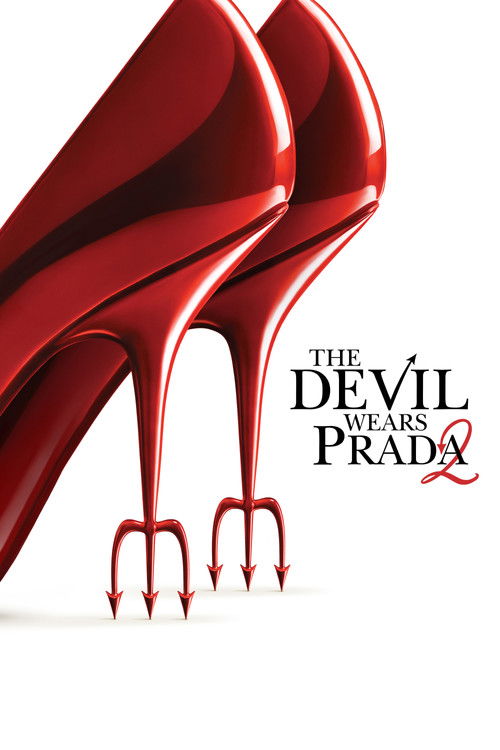
The Devil Wears Prada 2: A Sharp, Often Strained Corporate Reunion
The Devil Wears Prada 2 is worth watching for those who pursuit the return of its iconic central tension, though it functions more as a nostalgic corporate drama than a sharp-edged comedy. It succeeds as a character study of power shifting in a digital landscape, even if the narrative stakes occasionally feel less urgent than the original.
A Shifting Landscape for Runway
The film navigates the transition of fashion media into the modern era with a surprisingly clinical eye. By focusing on Miranda Priestly’s navigation of a new media environment, the screenplay avoids the trap of simply repeating old beats. The tension between Andy Sachs’s evolved professional identity and the rigid, traditional expectations of Runway provides a compelling friction that drives the first act.
Where the film occasionally falters is in its attempt to balance the comedic banter with the heavier drama of corporate survival. While the dialogue remains biting, the humor feels more defensive than offensive, reflecting the characters’ aging perspectives. It is a calculated, polished look at an industry in flux, though it lacks the spontaneous, unpredictable energy that defined the earlier dynamic between Andy and Miranda.
The Weight of Old Alliances
The dynamic between Andy, Miranda, and Emily is the film’s strongest asset, grounding the high-fashion stakes in genuine human history. Watching Emily Charlton transition from the stressed-out assistant to a powerful luxury brand head provides a satisfying arc that feels earned rather than forced. The chemistry among the core cast remains intact, proving that these performers can inhabit these personas with ease even after two decades.
However, the introduction of Kenneth Branagh’s character, Stuart, feels somewhat like an unnecessary narrative crutch intended to force the plot toward a resolution. His presence often distracts from the more interesting, quieter scenes between the three leads. I found the film’s insistence on a dramatic, high-stakes financial rescue to be its weakest element, as the story is far more engaging when it focuses on the internal politics of the magazine rather than external funding battles.
Targeting the Faithful Audience
This sequel is an essential viewing experience for fans of the original who want to see how these characters have weathered the passage of time. If you appreciated the specific brand of workplace anxiety and fashion-forward ambition found in the first installment, you will find plenty here to hold your interest. It is a thoughtful look at how one’s professional identity changes as they climb the ladder of success.
Conversely, those looking for a lighthearted, fast-paced comedy should likely skip this entry. The tone is decidedly more somber and reflective, prioritizing the slow burn of corporate strategy over quick-witted punchlines. It demands a level of patience that casual viewers might find tedious, especially during the middle stretches where the focus shifts toward the technicalities of magazine ownership and luxury brand management.