Avatar: The Last Airbender (2024) is a Faithful but Stiff Reimagining
This live-action adaptation of the iconic fantasy saga is a worthwhile endeavor for viewers seeking a grounded, visual expansion of the original premise, though it struggles to capture the fluid energy of its source material. While it succeeds as a serious-minded drama, those expecting the same lighthearted charm will likely find the tone shift jarring.
A Serious Tone for a High-Stakes World
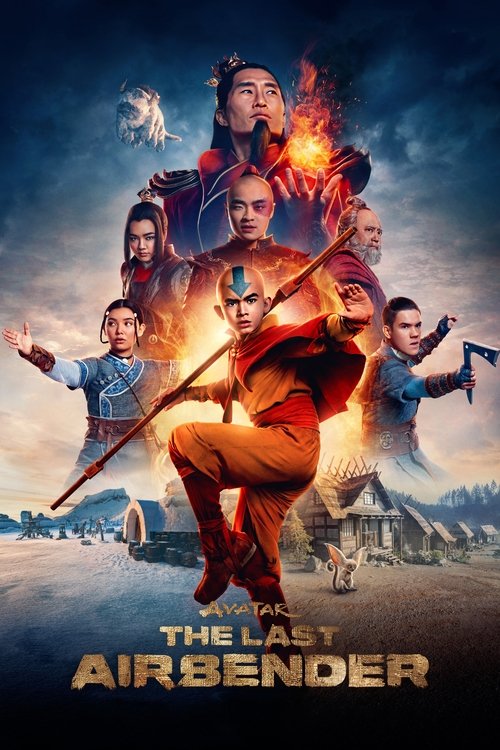
The 2024 series leans heavily into the drama of a world at war, stripping back some of the whimsical flourishes that defined the original cartoon. By focusing on the weight of the Avatar’s responsibility, the show creates a sense of peril that feels earned, particularly during the sequences where Aang must reckon with his identity as a monk tasked with saving humanity. This darker, more somber approach allows the fantasy elements to feel tangible rather than purely decorative.
However, this shift toward gravity occasionally comes at the expense of character chemistry. In their attempt to avoid caricature, the performances sometimes feel overly restrained, making the bonds between Aang, Katara, and Sokka feel more functional than organic. While the stakes are clearly articulated, the emotional core occasionally feels brittle, lacking the spontaneous warmth that typically anchors such an ambitious adventure.
The Challenge of Adapting Elemental Combat
The action sequences are perhaps the most debated aspect of this venture, as the show attempts to translate stylized elemental bending into a live-action framework. The visual effects team deserves credit for grounding the fire, water, earth, and air manipulation in a way that respects the physics of the world. Seeing Aang navigate the complexities of his powers as a young boy remains a compelling hook that drives the narrative forward with purpose.
Conversely, the choreography often lacks the kinetic fluidity one might hope for in an action-heavy series. Where the original animation used motion to express personality, this version often defaults to a more rigid, stop-and-start style of combat. It is a functional translation that satisfies the eye but rarely thrills the spirit, often prioritizing the look of the elements over the momentum of the fight itself.
Navigating the Burden of Reincarnation
The character work regarding Zuko and the weight of legacy is where the series finds its most interesting footing. Dallas Liu brings a palpable, arrogant intensity to the role of the exiled prince, effectively portraying the internal conflict of a young man desperate for approval while hunting the world’s only hope for salvation. This portrayal of a conceited antagonist who is nonetheless a tragic figure is the show’s most successful narrative pivot.
For those familiar with the source material, the pacing will feel like a race against time, as the series attempts to condense a vast, sprawling quest into a tight format. Viewers who enjoy character-driven fantasy will appreciate the focus on the psychological toll of reincarnation and duty. However, those who prioritize the light, episodic discovery of the original will likely find this version too focused on plot progression at the expense of the quiet, character-building moments that made the journey memorable.