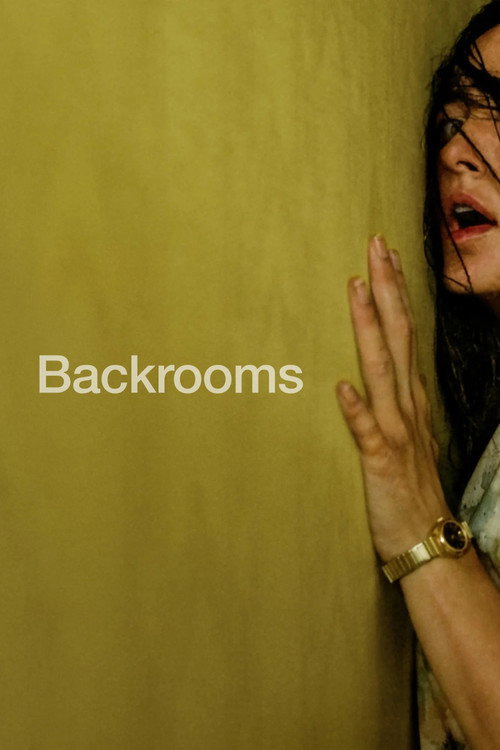
Backrooms (2026) is a haunting, uneven descent into surrealist dread
Backrooms is a rewarding experiment for viewers who prioritize atmospheric dread over traditional narrative coherence, even though its structural shifts may alienate fans of straightforward horror. While the film succeeds in building a suffocating sense of isolation, it occasionally struggles to balance its ambitious genre-bending premise.
A surrealist departure from found footage
The film succeeds most when it leans into the uncanny nature of its 1990s aesthetic, using the furniture showroom setting to mirror the psychological instability of its characters. Cinematographer Jeremy Cox captures the endless, yellow-hued corridors with a flat, clinical precision that makes the eventual appearance of the monster feel like an intrusion of reality into a fever dream.
Where the film falters is in its reliance on the therapist-patient dynamic to ground the science fiction elements. While Chiwetel Ejiofor and Renate Reinsve deliver committed performances, their dialogue often feels tethered to heavy-handed metaphors about childhood trauma and alcoholism that the surrealist visuals don’t necessarily require. The script by Will Soodik occasionally forces these characters to verbalize their inner states when the environment itself is already doing the heavy lifting.
Character dynamics and thematic weight
The chemistry between Mark Duplass, Finn Bennett, and Lukita Maxwell provides a necessary human anchor, but their roles feel somewhat underutilized in the latter half of the runtime. I found that the film’s most effective moments occur when the characters stop trying to solve the mystery of the doorway and instead succumb to the environment’s logic. It is a bold choice to have the protagonists remain largely passive, though some viewers might find this lack of agency frustrating rather than chilling.
This film is best suited for fans of abstract horror who enjoy dissecting visual symbolism and are comfortable with a slow, deliberate pace. Skip this if you prefer high-octane creature features or a plot that ties every loose end into a neat, logical conclusion. The 111-minute runtime requires patience, as the film spends significant time establishing a mood that is intentionally disorienting.
The sonic landscape of the unknown
Edo van Breemen’s score is perhaps the most vital component in maintaining the film’s tension, utilizing low-frequency drones that make the theater seats vibrate during the quieter scenes. By eschewing typical jump scares for a persistent, hum-like dread, the sound design elevates the mundane furniture showroom setting into something truly alien. It is a rare example of audio work that actively creates the horror rather than just reacting to it.
However, the film’s commitment to this sonic atmosphere occasionally swallows the dialogue, making some of the more expository moments difficult to parse. While this adds to the sense of confusion, it sometimes makes the transition between the California-based reality and the surrealist void feel jarringly abrupt. The shift in tone from a grounded drama to a cosmic puzzle is a risky gamble that pays off only if you are willing to embrace the ambiguity.
Backrooms: Ending Explained
(Spoilers ahead) The final act suggests that the doorway in the basement is not a physical location but a manifestation of the characters’ shared pasts, specifically their unresolved histories with addiction and early life trauma. By the time the monster appears, it is clear that the entity represents the inevitable destruction of the self when one refuses to confront these ghosts. The ending implies that “not being supposed to be here” refers to the characters’ inability to move forward, trapping them in a recursive loop of their own making.
The decision to leave the nature of the doorway ambiguous serves as a final critique of the characters’ obsession with finding a logical exit. Instead of escaping, they are forced to inhabit the architecture of their own anxieties, suggesting that the true horror is not the monster, but the permanence of their internal state. It is a bleak, uncompromising conclusion that refuses to offer the audience the catharsis of a traditional rescue or discovery.