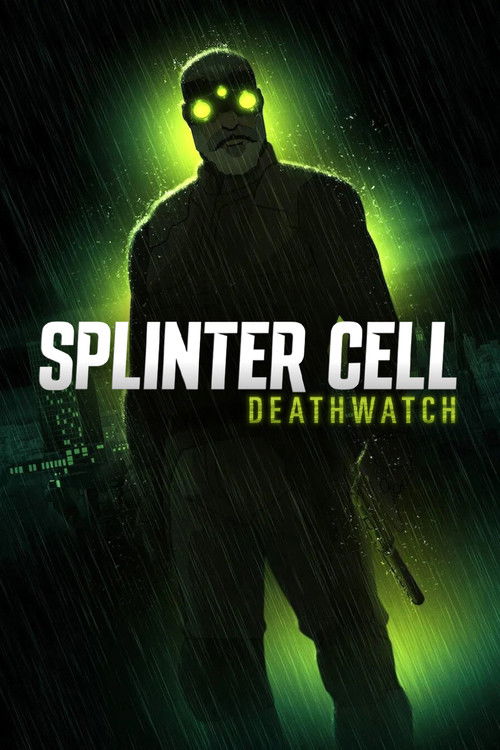
Splinter Cell: Deathwatch is a Lean, Atmospheric Espionage Exercise
Splinter Cell: Deathwatch (2025) is a compelling, if occasionally restrained, action-adventure animation that succeeds as a gritty thriller for fans of grounded geopolitics. While it lacks the kinetic excess of some modern animation, its commitment to a sinister, ambiguous tone makes it a worthwhile watch for those who prefer cerebral tension over constant spectacle.
A Shift Toward Quiet Intensity
The show establishes a distinct near-future atmosphere that prioritizes the weight of espionage over flashy heroics. By focusing on Sam Fisher—voiced by Liev Schreiber with a weary, gravelly authority—the series avoids the trap of turning its protagonist into an invincible superhero. Instead, the animation leans into the shadows of its European setting, using the environment as a character that reflects the moral murkiness of the global conspiracy Fisher is forced to dismantle.
Where the series diverges from the mainstream expectation of the genre is in its refusal to provide easy answers. While many action shows rely on clear-cut villains, the geopolitical stakes here feel intentionally obscured, mirroring the confusion of a recruit like Zinnia McKenna. This ambiguity is the show’s greatest asset, forcing the audience to track the plot through dialogue and subtle character cues rather than explosive set pieces.
The Dynamic of the Mentor and the Recruit
The core relationship between Schreiber’s Fisher and Kirby Howell-Baptiste’s Zinnia McKenna provides the emotional anchor necessary to ground the high-stakes plot. Their interplay is not one of traditional mentorship, but rather a friction-filled partnership where trust is a limited resource. This tension is bolstered by the contributions of Anna Grimsdóttir and Diana Shetland, whose voices add layers of bureaucratic coldness that contrast sharply with the danger Fisher faces in the field.
Viewers who appreciate slow-burn character development will find much to admire in these performances. However, those seeking a fast-paced, high-octane adventure may find the pacing deliberate to a fault. The show is best suited for fans of political thrillers who enjoy watching a mystery unfold through tactical observation rather than brute force, while those looking for constant movement should likely look elsewhere.
Soundscapes and Visual Restraint
Danny Bensi’s score is essential to the show’s success, providing a low-frequency hum of dread that permeates every scene. The music rarely swells into traditional heroic themes, choosing instead to underscore the isolation of the characters as they navigate a landscape of shifting loyalties. This sonic choice elevates the animation, turning potentially static scenes of investigation into moments of genuine anxiety.
While the visual style is functional and crisp, it occasionally misses the opportunity to push the boundaries of the medium. The animation is clean and professional, yet it rarely takes risks that would distinguish it from other entries in the mature action genre. Despite this, the cohesion between the visual tone and Bensi’s atmospheric score creates a unified experience that keeps the viewer anchored in the show’s grim reality.
Splinter Cell: Deathwatch: Ending Explained
(Spoilers ahead) The conclusion of the series highlights the futility of trying to fully dismantle a global conspiracy when the architects are embedded in the very systems Fisher represents. By the time the final threads are pulled, the victory feels hollow, reinforcing the theme that in this world, a legend like Fisher is merely a tool for interests that remain hidden long after the mission ends.
The resolution suggests that the cycle of espionage is self-perpetuating rather than solvable. Fisher’s journey serves as a reminder that the “sinister” nature of the geopolitics depicted is not a bug, but a feature of the system he serves. The final turn confirms that the truth is less important than the stability of the status quo, leaving Fisher to disappear back into the rumors he once tried to escape.