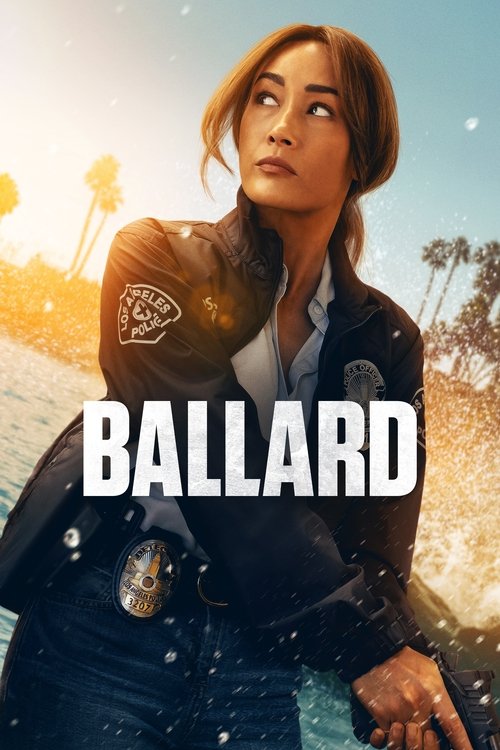
Ballard (2025) is a Compelling Procedural for Genre Loyalists
Ballard (2025) is a rigorously paced crime drama that succeeds by grounding its high-stakes conspiracy in the gritty, bureaucratic reality of the LAPD. It is a worthwhile experience for those who prefer methodical investigative tension over explosive action sequences.
A Shift from Typical Police Dramas
The series establishes a somber, rain-slicked atmosphere that leans heavily into the cold case subgenre. By focusing on the procedural friction between Detective Renée Ballard and her colleagues, the show avoids the common trap of making the protagonist an untouchable hero. Maggie Q delivers a performance that emphasizes exhaustion and intellectual persistence rather than physical bravado, which feels like a refreshing pivot for the genre.
While the mainstream consensus might focus on the serial killer hunt, the real strength of the show lies in the internal politics of the department. The interplay between Ballard and characters like Thomas Laffont and Ted Rawls provides a layered look at institutional decay. It is less about the thrill of the chase and more about the crushing weight of systemic obstacles that prevent justice from being served.
Strengths and Narrative Shortcomings
The show excels in its technical delivery, specifically through Jeff Russo’s score, which subtly underscores the isolation of working in the Cold Case Unit. However, the pacing occasionally stumbles when it tries to balance the personal demons of the lead character with the sprawling nature of the conspiracy. Some of the secondary character arcs feel slightly rushed, leaving the audience wanting more depth regarding the motivations of the supporting cast.
I would argue that the show’s decision to keep the serial killer somewhat in the shadows for the first few episodes is a bold choice that risks alienating viewers who want immediate confrontation. While some may find this slow-burn approach frustrating, it allows the narrative to build a more authentic sense of dread. It is an intelligent, if occasionally uneven, exploration of how individual integrity survives within a compromised system.
Determining Your Viewing Experience
If you are a fan of grounded, character-driven crime fiction set in the sprawling, unforgiving landscape of Los Angeles, this series is well-suited for your rotation. It rewards viewers who pay attention to detail and enjoy watching a protagonist navigate complex, unglamorous investigative work. The TV-14 rating ensures that the grit remains focused on psychological and procedural tension rather than gratuitous violence.
Conversely, those looking for a fast-paced, high-octane thriller will likely find the methodical nature of the show tedious. If you prefer your detectives to operate outside the law with flashy gadgets and constant gunfire, you should probably skip this one. It is a series designed for the patient viewer who appreciates a slow reveal and a heavy, atmospheric tone.
The Weight of Los Angeles
The setting of Los Angeles serves as more than just a backdrop; it functions as a character that reflects the moral ambiguity Ballard faces daily. Through the lens of the cold case files, the city is presented as a graveyard of forgotten victims, which adds a layer of emotional urgency to the investigation. The production design effectively captures the contrast between the gleaming city lights and the cluttered, windowless rooms where these detectives spend their lives.
The chemistry between the leads, particularly the dynamic between Ballard and Samira Parker, provides a necessary human anchor amidst the bleak subject matter. This partnership offers a rare moment of genuine connection in a narrative defined by betrayal and hidden agendas. It is this focus on the human cost of police work that keeps the series grounded, even when the conspiracy plot threatens to veer into melodrama.