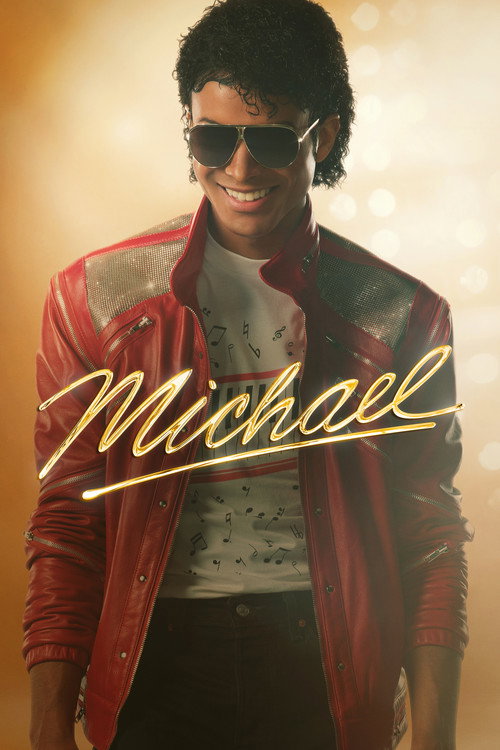
Michael (2026) Is a Complex, Uneven Portrait of Ambition
Michael is a worthwhile, if occasionally cautious, exploration of the man behind the global icon, delivering a compelling look at the toll of relentless ambition. While it succeeds as a technical showcase of 1970s performance, it struggles to fully reconcile the harsh realities of the singer’s private life with his public persona.
A Study in Disciplined Performance
The film excels most when it focuses on the internal pressure cooker of the Jackson household, anchored by a chillingly precise performance from Colman Domingo. As Joseph Jackson, he captures the suffocating nature of a father whose own dreams are projected onto his children with terrifying intensity.
Jaafar Jackson’s portrayal of the adult Michael manages to avoid the trap of mere mimicry, finding a fragile humanity beneath the glitter and choreography. The chemistry between him and Nia Long, who plays a weary yet protective Katherine, provides the emotional tether that keeps the narrative from drifting into an overly polished hagiography.
The Tension of the Creative Cost
Where the film occasionally falters is in its pacing, particularly when it attempts to balance the high-octane energy of the Jackson Five era with the darker, more intimate moments of child abuse and domestic strife. The transition between these worlds often feels jarring, as if the film is unsure whether it wants to be a celebration of musical genius or a somber indictment of the industry.
Dion Beebe’s cinematography is a standout, utilizing a distinct color palette that shifts from the grainy, muted tones of the early 1970s to the saturated, neon-soaked aesthetic of a rising solo star. However, the screenplay sometimes relies too heavily on dialogue to explain the psychological scars of the protagonist, rather than allowing the visual storytelling to do the heavy lifting.
Navigating the Legacy
This biography is best suited for viewers who appreciate a deep dive into the mechanics of fame and the generational trauma that often fuels creative giants. If you are looking for a straightforward, celebratory concert film, you may find the darker, more abrasive elements of the narrative challenging or even frustratingly intrusive.
Conversely, those who prefer their dramas to grapple with the uncomfortable, non-linear realities of a life lived in the spotlight will find plenty to analyze here. It is a film that demands you look at the icon with a critical eye, even if it occasionally pulls its punches regarding the most difficult questions of his later life.
A Technical Achievement in Period Detail
The production design and Lior Rosner’s score work in tandem to recreate a bygone era of music history with remarkable fidelity. The recreation of early performances feels authentic, capturing the precise energy that propelled a young talent into the stratosphere, while the quiet moments backstage highlight the isolation that came with such rapid success.
Despite the film’s length, the narrative maintains a steady momentum by focusing on the relationship between Michael and his brothers. This sibling dynamic serves as the most honest part of the story, showing how the shared trauma of their upbringing created a bond that both sustained them and eventually pulled them apart.