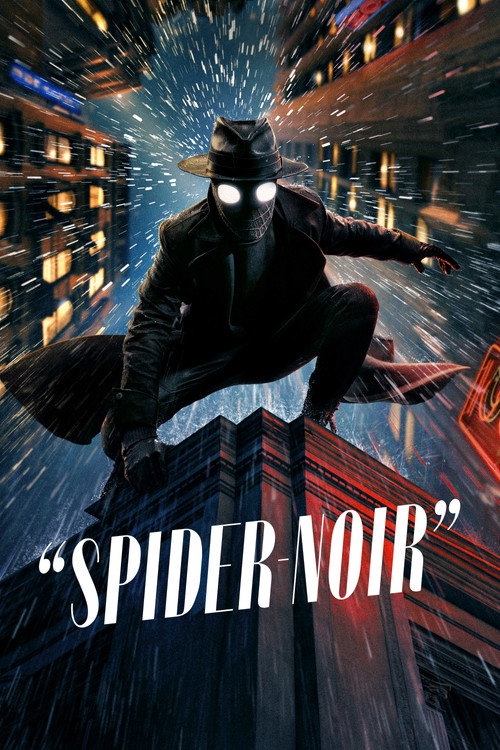
Spider-Noir: A Gritty, Atmospheric Period Mystery Worth Your Time
Spider-Noir (2026) is a compelling choice for viewers who prefer their superhero narratives drenched in the shadows and cynicism of 1930s crime fiction rather than high-flying spectacle. It delivers as a grounded, character-focused mystery that prioritizes mood and historical texture over traditional heroics.
A Shift Toward Hardboiled Realism
The strength of this series lies in its commitment to the aesthetic of film noir, utilizing the Great Depression setting to strip away the gloss usually associated with the genre. Nicolas Cage brings a weary, lived-in quality to Ben Reilly, portraying him not as a triumphant savior but as a man haunted by the remnants of his past life. This subversion of the traditional superhero arc allows the show to function as a genuine detective drama where the stakes feel personal and precarious.
Where the production occasionally falters is in its pacing, which sometimes mirrors the slow, deliberate crawl of the era it depicts. While the atmosphere is thick with tension, some viewers may find the transition between the private investigator mystery and the remnants of Reilly’s superhero identity to be jarring. However, the choice to anchor the narrative in the grimy streets of New York City provides a cohesive visual language that keeps the viewer engaged despite these minor narrative lulls.
Character Dynamics and Moral Ambiguity
The supporting cast elevates the material significantly, particularly the interplay between Reilly and the figures from his past, such as Cat Hardy and Joe ‘Robbie’ Robertson. These relationships are not merely plot devices but are essential in exploring the theme of moral decay in a city struggling through economic collapse. The inclusion of characters like Tombstone adds a layer of street-level menace that fits perfectly within the gritty, noir-inspired framework.
I would argue that the series is most successful when it stops trying to appease fans of the superhero genre and leans fully into the detective mystery. Those who enjoy slow-burn character studies will find the internal conflict of an aging investigator to be the highlight, while those seeking constant action or traditional comic book tropes should look elsewhere. It is a series for the patient viewer who appreciates dialogue-heavy scenes and meticulous world-building.
The Sonic Texture of a Dying City
Kris Bowers’ score is a vital component of the show’s identity, effectively blending melancholic jazz undertones with the sharp, unpredictable rhythms of a classic mystery. This musical backdrop emphasizes the isolation of the protagonist, reinforcing the idea that in 1930s New York, justice is a commodity few can afford. The sound design complements the visual gloom, making the city feel like a living, breathing character that is actively working against the hero.
This series is a must for fans of period-specific crime dramas who want to see a familiar archetype dismantled and reassembled in a darker, more vulnerable form. If you dislike slow-paced narratives or require a clear-cut moral compass to enjoy a story, you will likely find the ambiguity of this world frustrating. Ultimately, it is a bold attempt to marry two disparate genres through a lens of total disillusionment.
Spider-Noir: Ending Explained
(Spoilers ahead) The ending of the series suggests that for Ben Reilly, the concept of responsibility is not a burden he carries to save the city, but a ghost he must finally exorcise to survive. By the time the final mysteries are untangled, it becomes clear that his past life as a superhero was merely a precursor to the inevitable corruption of the city he tried to protect. The ending implies that true agency in a world defined by the Great Depression is impossible, leaving Reilly to accept his role as a humble, albeit scarred, investigator in a city that will never truly be clean.